अपना रिएक्शन टाइम
तुरंत जांचें
अपनी रिफ्लेक्स स्पीड मिलीसेकंड में मापें। हरा दिखने पर क्लिक करें — देखें आप कितने तेज़ हैं।
शुरू करने के लिए क्लिक करें
या स्पेसबार दबाएं
हरे का इंतजार करें...
अभी क्लिक न करें!
अभी क्लिक करें!
आपका रिएक्शन टाइम
0
मिलीसेकंड
बहुत जल्दी!
आपने हरे से पहले क्लिक किया। फिर से कोशिश करें।
रिएक्शन टाइम स्टैटिस्टिक्स
दूसरों की तुलना में आप कैसे हैं?
250ms
औसत मानव
150ms
प्रो गेमर
180ms
एथलीट
100ms
सबसे तेज़
यह कैसे काम करता है
अपनी रिएक्शन स्पीड मापने के तीन सरल चरण
स्टार्ट क्लिक करें
टेस्ट एरिया पर क्लिक करें या स्पेसबार दबाएं। स्क्रीन लाल हो जाएगी।
हरे का इंतजार करें
2-5 सेकंड के रैंडम डिले के बाद, स्क्रीन हरी हो जाएगी। ध्यान केंद्रित रखें!
अपनी स्पीड देखें
आपका रिएक्शन टाइम मिलीसेकंड में पर्सेंटाइल रैंकिंग के साथ दिखाया जाएगा।
Reaction Time Test क्यों इस्तेमाल करें
स्पीड, सटीकता और प्रीमियम अनुभव के लिए बनाया गया
⚡ हमेशा मुफ्त
कोई सब्सक्रिप्शन नहीं, कोई छिपी फीस नहीं। हमेशा मुफ्त।
🎯 तुरंत परिणाम
मिलीसेकंड में तुरंत अपना रिएक्शन टाइम देखें।
📱 मोबाइल फ्रेंडली
फोन, टैबलेट और डेस्कटॉप पर बेहतरीन काम करता है।
🔓 कोई साइनअप नहीं
तुरंत टेस्ट शुरू करें। कोई अकाउंट नहीं चाहिए।
🛡️ प्राइवेसी फोकस्ड
सारा डेटा लोकली स्टोर होता है। कुछ भी आपके डिवाइस से बाहर नहीं जाता।
📈 प्रगति ट्रैक करें
सर्वश्रेष्ठ स्कोर और औसत स्टैट्स के साथ हिस्ट्री ट्रैकिंग।
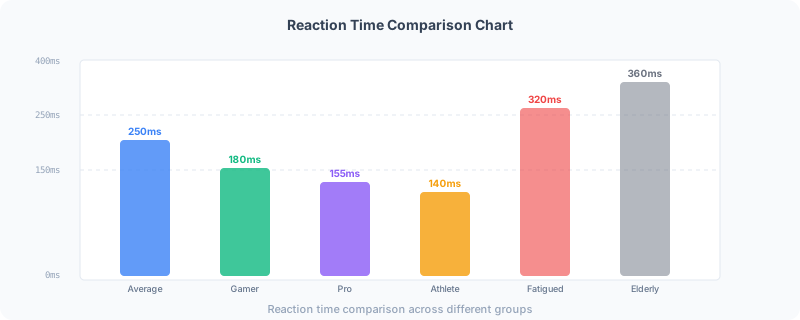
रिएक्शन टाइम स्टैटिस्टिक्स
| Category | Time | Level |
|---|---|---|
| उत्कृष्ट! | < 150ms | Top esports / elite athlete |
| अच्छा | 150 – 200ms | Competitive gaming ready |
| औसत | 200 – 250ms | Typical healthy adult |
| धीमा | > 300ms | Fatigued / needs practice |
🎯 Reaction Time Test क्यों इस्तेमाल करें
🎮 Gaming
In FPS games like CS2, Valorant, and Apex Legends, 150ms vs 250ms reaction time is the difference between winning and losing every duel. Pro players achieve 140-180ms consistently.
🚗 Driving
At 60mph your car travels 88 feet per second. A 200ms delay means 17 feet of travel before your foot hits the brake. Faster reflexes = shorter stopping distances.
⚽ Sports
Sprinters react to the gun, goalkeepers dive on penalties, boxers slip punches. Athletes train their reaction time as a core performance metric.
🧠 Daily Life
Catching falling objects, navigating crowds, responding to alerts. People with faster reactions feel more coordinated and in control.
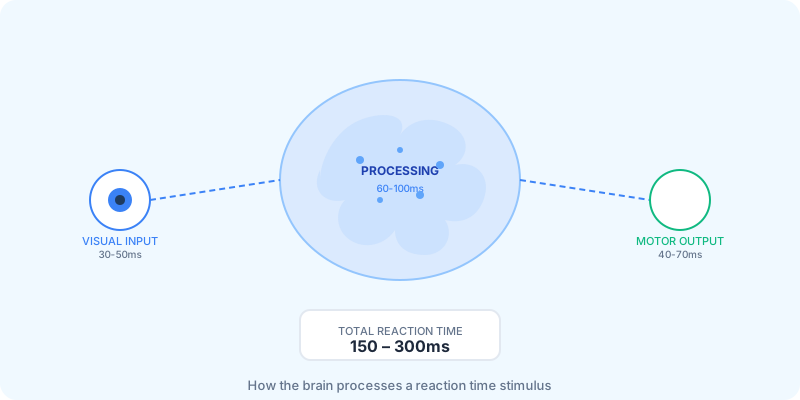
Factors That Affect Reaction Time
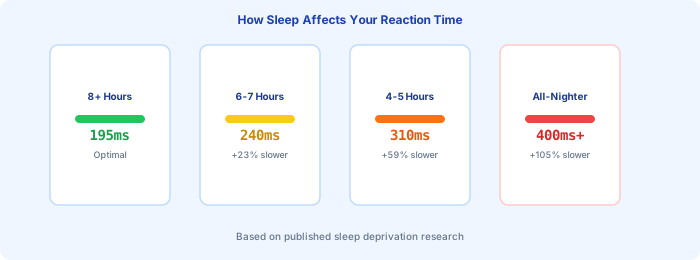
💤 Sleep: Even 1-2 hours of lost sleep slows reactions by 20%. Being awake 17+ hours equals 0.05% blood alcohol.
🎂 Age: Reactions peak in your early 20s, then slow ~10ms per decade. Regular training significantly reduces age-related decline.
☕ Caffeine: 200mg caffeine improves reaction time by ~11ms. Use strategically before important sessions.
💧 Hydration: Even mild dehydration (2% body weight) impairs cognitive function and slows reactions by 5-10%.
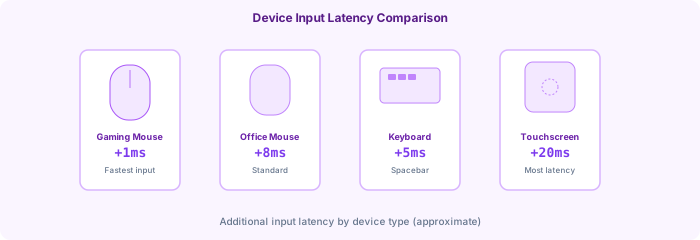
🖥️ Device: 144Hz monitor vs 60Hz, gaming mouse vs touchscreen — hardware adds 1-30ms of input latency.
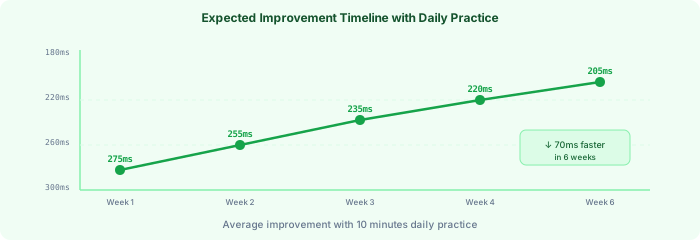
How to Improve Your Reaction Time
- ✓Practice daily — 10 minutes of reaction drills each day shows measurable improvement in 2-4 weeks.
- ✓Sleep 7-9 hours — A well-rested brain reacts significantly faster than a fatigued one.
- ✓Exercise regularly — Cardio increases brain blood flow, supporting faster neural processing.
- ✓Play fast-paced games — Action games train visual processing and quick decision-making.
- ✓Stay hydrated — Even mild dehydration slows reaction time by 5-10%.
- ✓Practice mindfulness — Better focus = faster reactions. Meditation improves concentration.
Reaction Time for Gamers
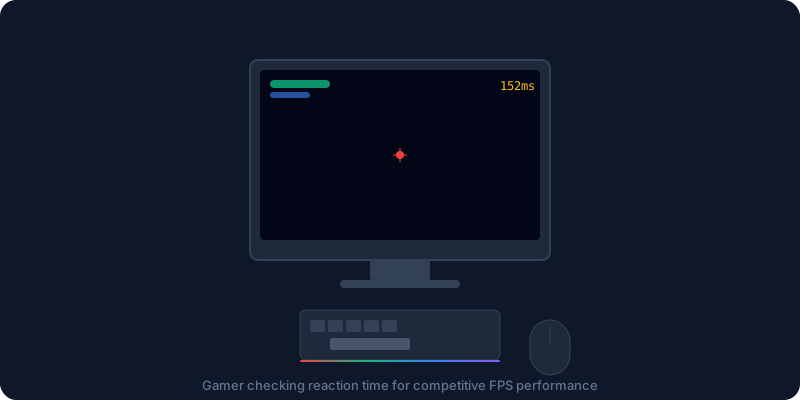
In competitive gaming, every millisecond counts. Pro FPS players achieve 150-180ms consistently through thousands of hours of training. Esports organizations use reaction tests to track fatigue, monitor performance dips, and set improvement targets.
💡 Pro tip: Benchmark before and after long sessions. If numbers drop after 2-3 hours, take a break.
Reaction Time for Athletes
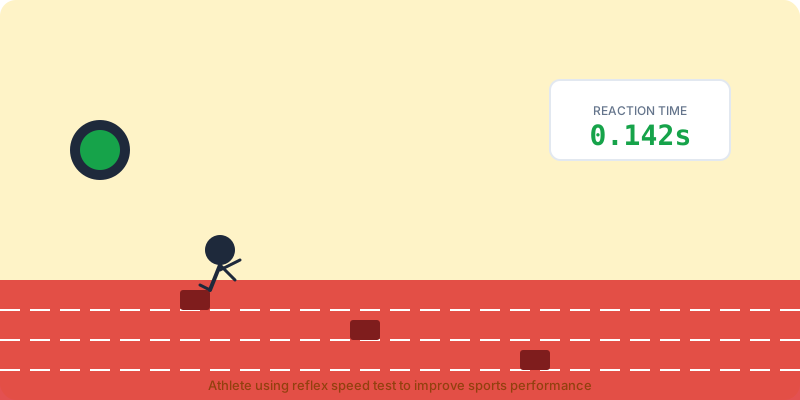
Reaction time determines whether a sprinter explodes from the blocks, a goalkeeper dives correctly, or a boxer slips a punch. Sports scientists use reflex tests quarterly to assess growth and detect burnout before other symptoms appear.
Reaction Time by Age
| Age | Avg Time | Notes |
|---|---|---|
| 10–17 | 250–280ms | Developing nervous system |
| 18–24 | 190–220ms | Peak reaction time |
| 25–35 | 200–240ms | Near peak with training |
| 36–50 | 220–270ms | Gradual slowing |
| 51–65 | 250–320ms | Noticeable decline |
| 65+ | 280–400ms | Active individuals perform better |
Reaction Time Across Game Genres
🔫 FPS (CS2, Valorant)
Required: 140-200ms. Who fires first wins.
🏎️ Racing (F1, iRacing)
Required: 150-220ms. Split-second overtakes.
⚔️ Fighting (SF6, Tekken)
Required: 160-250ms. Block and punish frames.
🏰 MOBA (LoL, Dota 2)
Required: 200-300ms. Dodge skillshots and react to ganks.
Daily Routine for Peak Performance
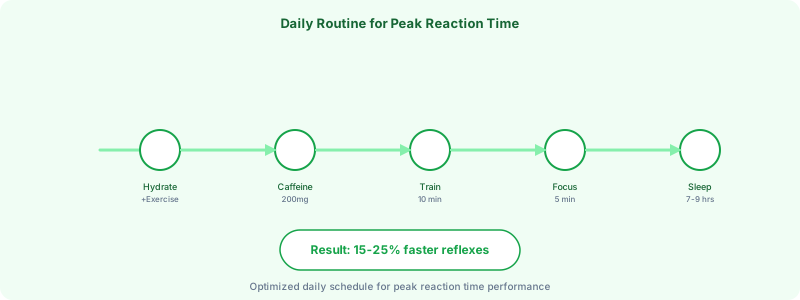
Morning: Hydrate + Light Exercise
500ml water + 15-20 min cardio increases brain blood flow by 20%.
Pre-Session: 100-200mg Caffeine
30 minutes before testing. Improves reaction time by ~11ms.
Training: 10 Minutes Reaction Drills
5 warmup clicks, then 10-15 measured attempts. Track your average.
Focus: 5-Minute Mindfulness
Brief meditation sharpens attention, reduces anticipation errors.
Night: 7-9 Hours Quality Sleep
Brain consolidates neural pathways. Skipping adds 30-50ms to reaction time.
Scientific Facts About Reflexes
- 🔬The minimum human reaction time is ~100ms — only achievable by a small percentage of trained individuals.
- 🧠The signal path: eyes → optic nerve → visual cortex → motor cortex → muscles, all in under 0.25 seconds.
- 🎮Studies confirm gamers have significantly faster reaction times than non-gamers across all age groups.
- ☕Caffeine improves reaction time by ~11ms at optimal dose (200mg).
- 📉Reaction time slows ~10ms per decade after mid-20s, but trained people deteriorate much slower.
Common Mistakes
❌ Clicking before the signal — registers as false start.
❌ Testing while distracted — gives inaccurate, slower scores.
❌ Taking only one attempt — always run at least 5 and use the average.
❌ Testing on a loaded device — close tabs, background processes add lag.
❌ Comparing across devices — mouse on 144Hz ≠ tap on old phone.
Who Should Use This Tool?
अपनी स्पीड टेस्ट करने के लिए तैयार?
रोज़ खुद को चुनौती दें, अपनी प्रगति ट्रैक करें और दुनिया से तुलना करें।
अभी टेस्ट शुरू करेंअक्सर पूछे जाने वाले प्रश्न
रिएक्शन टाइम टेस्ट के बारे में सब कुछ जो आपको जानना चाहिए
रिएक्शन टाइम टेस्ट क्या है?
रिएक्शन टाइम टेस्ट मापता है कि आप एक विजुअल स्टिमुलस पर कितनी तेज़ी से प्रतिक्रिया कर सकते हैं। जब स्क्रीन रंग बदलती है, आप जितनी तेज़ी से हो सके क्लिक करते हैं।
औसत मानव रिएक्शन टाइम क्या है?
विजुअल स्टिमुलस पर औसत मानव रिएक्शन टाइम लगभग 250 मिलीसेकंड (ms) है। हालांकि, यह उम्र, सतर्कता और अभ्यास के आधार पर भिन्न होता है।
मैं अपना रिएक्शन टाइम कैसे सुधार सकता हूं?
आप नियमित अभ्यास, पर्याप्त नींद, उचित पोषण, हाइड्रेशन और विकर्षणों को कम करके अपना रिएक्शन टाइम सुधार सकते हैं।
क्या यह टेस्ट सटीक है?
हां, हमारा टेस्ट हाई-रेज़ोल्यूशन ब्राउज़र टाइमर का उपयोग करके विजुअल स्टिमुलस और आपके क्लिक के बीच का समय मिलीसेकंड सटीकता से मापता है।
गेमिंग के लिए अच्छा रिएक्शन टाइम क्या है?
प्रतिस्पर्धी गेमिंग के लिए, 200ms से कम का रिएक्शन टाइम अच्छा माना जाता है। प्रोफेशनल ई-स्पोर्ट्स खिलाड़ी 140-180ms हासिल करते हैं।
क्या उम्र रिएक्शन टाइम को प्रभावित करती है?
हां, रिएक्शन टाइम आमतौर पर 20 की शुरुआत में अपने चरम पर होता है और उम्र के साथ धीरे-धीरे धीमा हो जाता है।